
how to create a graphic design portfolio
introduction
A great graphic design portfolio is more than a showcase of visuals. It’s your business introduction, your story, and your best salesperson working 24/7. Whether you’re a designer building your reputation or a business owner searching for creative support, understanding how to create a powerful portfolio can open new opportunities across the world.
If your goal is to reach potential clients in countries like the USA, Japan, France, Canada, or anywhere else, you need a portfolio thedigitalmarketing.services that communicates quality, professionalism, and purpose. Let’s explore how to create one that truly represents your value. You should absolutely know that how to create a graphic design portfolio.
Guide to developing your own graphic design portfolio
Your portfolio is not just an archive of projects. It’s a message about who you are, what you stand for, and how you solve problems through design. The best portfolios don’t only look good; they build trust.
When someone visits your portfolio, they should instantly understand:
-
What services you offer (branding, packaging, UI/UX, print design, or motion graphics)
-
Who you work with (startups, e-commerce brands, or established businesses)
-
What results you deliver (brand recognition, improved engagement, or user-friendly visuals)
Defining these points helps shape your portfolio’s direction before you even start designing it.
Choose the Right Platform
The platform you use sets the tone for how your audience perceives you. Choose one that’s visually clean, easy to navigate, and optimized for all devices.
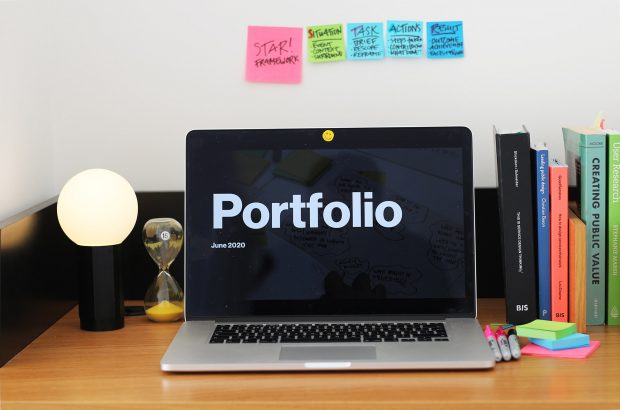
Popular options include:
-
WordPress: Flexible, professional, and easy to optimize for SEO
-
Squarespace or Wix: Ideal for creative layouts with minimal setup
-
Behance and Dribbble: Great for exposure within the design community
-
Custom Website: Perfect if you want full creative control and already work with a digital agency like thedigitalmarketing.services
Make sure your chosen platform supports fast loading times, responsive design, and easy updates. A slow or cluttered portfolio will instantly lose attention.
Curate, Don’t Collect
The biggest mistake many designers make is adding everything they’ve ever worked on. A successful portfolio isn’t about quantity; it’s about quality and storytelling.
Select 8–12 of your strongest projects. Each one should highlight:
-
The challenge or goal
-
The process you followed
-
The final outcome
-
Any measurable results (such as engagement growth or client feedback)
Presenting each project like a short case study helps visitors understand your thought process and professionalism. It’s not just about showing visuals; it’s about showing how you think.
Write Clear and Honest Descriptions
Every image needs context. Even the most beautiful design loses impact if viewers don’t understand what they’re looking at. Write concise and learn how to create a graphic design portfolio.
For example:
“Designed a modern logo and packaging system for a Canadian skincare brand. The goal was to create a minimal yet luxurious identity that appeals to young professionals.”
Avoid jargon. Speak like you would in a client meeting—clear, confident, and focused on outcomes.
Include a Strong “About” Section
Your “About” page builds connection. Share who you are, your background, and what drives your work. If you collaborate internationally, mention your experience with global clients or cross-cultural projects. That kind of detail builds credibility with decision-makers in markets like Japan, France, or the US.
Also include:
-
A professional photo or brand logo
-
Contact details and social links
-
A short mission statement or philosophy
-
A clear invitation for visitors to reach out or collaborate
Remember, people connect with people—not just designs.
Highlight the Tools and Skills You Use
Clients and businesses often look for designers who are comfortable with modern tools. Listing the tools you use signals your technical confidence and readiness for professional projects.
Some examples include:
-
Adobe Illustrator, Photoshop, InDesign
-
Figma for UI/UX design
-
After Effects or Premiere Pro for motion work
-
Canva or Affinity Designer for lightweight projects
You can also mention your experience working through collaborative tools like Slack, Trello, or Google Workspace—especially if you serve clients across time zones.
Optimize for Search and Usability
Even the most impressive portfolio won’t help if people can’t find it. Basic SEO and learn how to create a graphic design portfolio.
Here are key steps:
-
Use descriptive titles: “Minimalist Branding for Japanese Café” is better than “Project 1.”
-
Add relevant keywords in your headings and descriptions (for example: graphic design portfolio, brand identity design, UI/UX portfolio, packaging design).
-
Include alt text for images to make them accessible and SEO-friendly.
-
Make sure your site is mobile-optimized and loads within seconds.
Regularly update your portfolio with new projects and remove outdated work. This keeps your site fresh and signals to search engines that your business is active.
Add Social Proof and Testimonials
A client’s words carry more weight than your own. Include short testimonials or feedback under your projects if possible. Even a simple line like, “Working with them was seamless and professional” adds authenticity and trust.
You can also include logos of brands you’ve worked with, awards, or features in online publications. These details show potential clients that you are established and respected in your field.
Keep It Updated and Evolving
Your portfolio should grow as your career or business grows. Set a reminder every few months to review your content. Update your visuals, improve old descriptions, and add recent projects that reflect your current skills.
If your business expands into new areas like motion design or web development, adjust your categories accordingly. Consistency and maintenance are signs of professionalism.
Promote Your Portfolio Everywhere
Once your portfolio is ready, share it. Add the link to your email signature, social media bios, and online communities where potential clients spend time. If you have an agency profile on thedigitalmarketing.services, connect your portfolio there too. The more visibility you create, the faster you’ll attract the right kind of audience.
You can also repurpose content from your portfolio as posts, short videos, or articles that explain your creative process. This helps position you as both a designer and a thinker.
Final Thoughts
A strong graphic design portfolio is not built overnight. It takes clarity, patience, and attention to detail. Every project you display should reflect who you are as a creative professional and what value you bring to businesses around the world.You should learn how to create a graphic design portfolio.
If you’re looking for expert guidance on how to structure your online portfolio, optimize it for clients, or promote your brand effectively, visit thedigitalmarketing.services. Our team helps designers and businesses showcase their creative identity, attract new opportunities, and grow globally.
Your portfolio is your digital handshake. Make it count.
