How to Optimize Meta Ads in 2026: The Strategic Playbook for Scalable Growth

If you are running Facebook or Instagram ads in 2026 and still obsessing over Interest Targeting or manual bid caps, you are fighting a losing battle against the algorithm. The era of manual hacking is over.
Today, the most successful Meta Ads campaigns are not won by the person who knows which buttons to press in Ads Manager; they are won by the brand that feeds the Meta AI the cleanest data and the most compelling creative.
Optimization is no longer about tweaking an ad set, it is about system architecture. In this 2026 guide, we are pulling back the curtain on the exact framework our agency uses to scale brands from hundreds to tens of thousands in daily spend while maintaining a healthy ROAS (Return on Ad Spend).
The New Paradigm-From Targeting to Signaling
The fundamental shift in Meta Ads optimization is the move toward Broad Targeting. Meta’s AI is now so sophisticated that it can identify potential buyers more accurately than any human-defined interest group.
1. The Power of Broad and the Advantage+ Ecosystem
In 2026, manual audience selection often limits the algorithm’s ability to learn. The top-performing accounts are shifting toward Advantage+ Shopping Campaigns (ASC). By removing interest and behavioral overlays, you allow Meta to use its trillions of data points to find your customer.
The strategy is simple: Let the Creative do the Targeting. Your ad copy and visuals are the filters. If your ad features a high-end yoga mat, Meta will naturally show it to people whose behavior suggests an interest in yoga. Manual targeting is now a bottleneck, not a benefit.
2. Feeding the Machine: CAPI and First-Party Signals
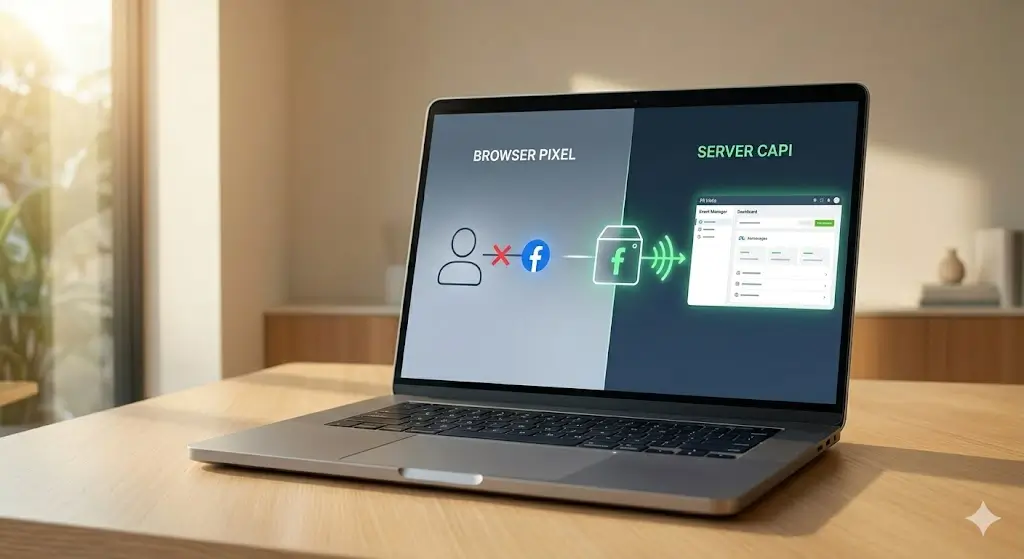
The algorithm is only as smart as the data it receives. With the total depreciation of third-party cookies, the standard Meta Pixel is no longer enough.
To optimize Meta Ads effectively, you must implement the Conversions API (CAPI). This server-side tracking ensures that every purchase, lead, and add-to-cart event is sent directly to Meta, bypassing browser-based ad blockers. Without CAPI, you are essentially asking the algorithm to run a race while blindfolded. If your technical setup is lacking, a Meta Ads service audit is the first step toward recovery.
The Creative-First Optimization Strategy
In 2026, Creative is the new Targeting. The actual visual and video assets you upload are the most significant levers you have for optimization.
3. Combatting Creative Fatigue with Dynamic Iteration
Creative fatigue happens faster than ever. When your Frequency starts to climb and your CTR (Click-Through Rate) begins to drop, the algorithm is telling you that your audience is bored.

Instead of launching one ad and hoping it works, we use Dynamic Creative Optimization (DCO). We feed Meta multiple Hooks (the first 3 seconds of a video), multiple Bodies (the middle value proposition), and multiple CTAs. Meta then mixes and matches these to find the perfect combination for every individual user.
4. The UGC and Lo-Fi Dominance
Highly polished, expensive commercials are consistently outperformed by UGC (User Generated Content) and authentic Lo-Fi videos. People go to Instagram and TikTok to be entertained and connected, not to be sold to.
Optimization in the middle of the funnel means leaning into:
-
Founder-led storytelling: Building trust through a face.
-
Review-mashups: Letting your customers do the selling.
-
Educational How-to Reels: Providing value before asking for the sale.
For brands without an in-house production team, leveraging professional video editing services to turn raw customer footage into high-converting Meta Ads is a high-ROI move.

Conversion Architecture & Scaling
The final stage of How to Optimize Meta Ads is not actually inside the Meta platform,it’s on your website.
5. Closing the Gap: Landing Page Optimization (LPO)
You can have a 5% CTR on Meta, but if your website takes 4 seconds to load or has a confusing checkout flow, your ROAS will be zero. Meta tracks Landing Page Views vs. Link Clicks. If there is a massive gap between these two, your site speed is killing your ads.
Optimization at this stage requires:
-
Sub-2-second load times: Especially on mobile devices.
-
Message Match: The headline of your landing page must exactly match the promise made in the ad.
-
Frictionless Checkout: One-click payments (Apple Pay/Shop Pay) are mandatory in 2026.
This is where Shopify development services or a general website development overhaul becomes part of your advertising budget. You are building a Conversion Machine, not just a website.

6. The 20% Rule for Scaling
When you find a Winner (an ad set with a high ROAS), do not double the budget overnight. This will reset the Learning Phase and likely tank your performance.
The gold standard for scaling in 2026 is the 20% Rule: Increase your budget by no more than 20% every 48–72 hours. This allows the AI to gradually adjust its bidding strategy without losing the scent of your ideal buyer.
Conclusion: Turning Meta Into a Revenue Engine
In 2026, How to Optimize Meta Ads is a game of data, creative, and technical site performance. By shifting away from manual audience hacking and toward high-level system signaling, you allow the world’s most powerful advertising AI to work for you, not against you.

Remember: Your ads are only as good as the infrastructure supporting them. If you’re ready to stop guessing and start scaling, our team at thedigitalmarketing.services specializes in building the data pipelines and creative assets that drive real results. Explore our paid ads solutions and let’s turn your ad spend into an investment.
Frequently Asked Questions
Why are my Meta Ads not delivering results in 2026?
The most common reason is Data Loss. If you haven’t implemented CAPI or if your event tracking is broken, Meta’s AI cannot find your buyers. Second to data is Creative Fatigue,if you have not refreshed your visuals in 30 days, your audience is likely ignoring you.
What is the best campaign structure for Meta Ads?
We recommend a Simplified Account Structure. Instead of dozens of campaigns, use one for Prospecting (Top of Funnel), one for Retargeting (Middle/Bottom of Funnel), and one Advantage+ Shopping Campaign to let the AI do the heavy lifting.
How much should I spend on Meta Ads before seeing results?
You should aim for at least 50 conversions per week per ad set. This is the Learning Phase threshold. Calculate your target Cost Per Acquisition (CPA), multiply it by 50, and that should be your weekly testing budget.
