
The Top Trends in Digital Marketing You Must Adopt in 2026
The digital marketing landscape is undergoing its most aggressive transformation in over a decade. The tactics that generated reliable ROI just two years ago,basic keyword stuffing, broad-match media buying, and generic email blasts,are now actively penalized by evolving algorithms and ignored by ad-fatigued consumers.
If your brand’s growth has plateaued, it is likely because your marketing stack is out of sync with how modern search engines and users operate. In 2026, visibility requires a technical edge. It is no longer just about creating content; it is about building a cohesive, data-driven ecosystem.
Whether you are scaling an enterprise e-commerce brand or building authority for a B2B SaaS platform, understanding the top trends in digital marketing is the difference between leading your industry and being buried on page two of search results. In this comprehensive guide, we are breaking down the exact, high-level strategies our agency uses to drive measurable revenue.
The Macro Shift: From Traffic Generation to Intent Capture
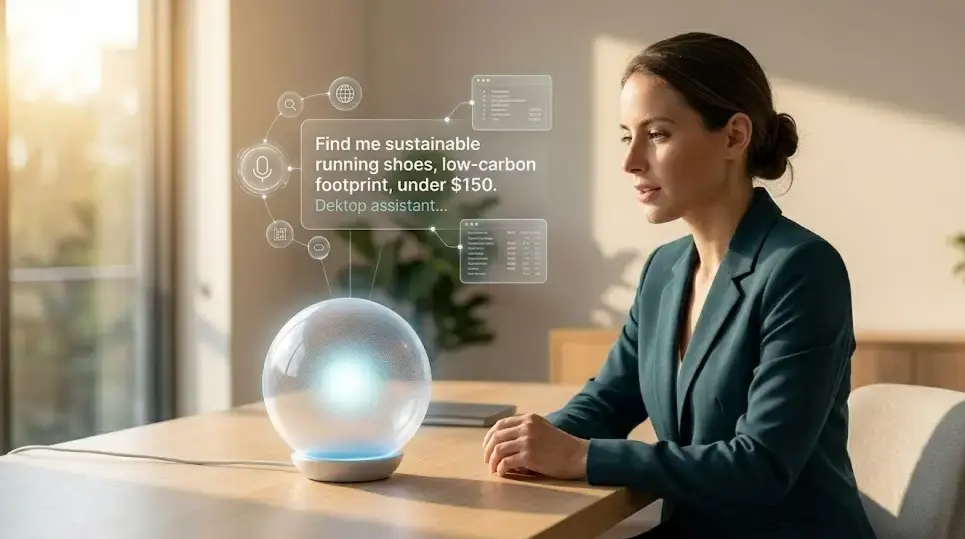
Before diving into specific channels, we have to address the fundamental shift in user behavior. Consumers no longer browse; they interrogate. They use complex, natural-language queries and expect immediate, hyper-relevant answers.
This means the old metric of total website traffic is effectively a vanity metric. The new gold standard is Intent Capture. Are you intercepting the user at the exact moment they are ready to make a decision?
This shift is driven by three foundational changes in the digital space:
1. The Dominance of AI-Assisted Search (SGE)
Google’s Search Generative Experience (SGE) and other Answer Engines (like Perplexity or ChatGPT) have completely altered the SEO landscape. Users are getting their questions answered directly on the search engine results page (SERP) without ever clicking a blue link.
To survive this, your digital marketing strategy must pivot from traditional keyword optimization to Topical Authority and Entity-Based SEO. You cannot simply sprinkle keywords on a page; you must structure your site data so perfectly that AI models recognize your brand as the definitive source of truth in your niche. If you are struggling to adapt your legacy website to these new search standards, consulting with experts in SEO services is the most efficient way to recover lost organic visibility.
2. The Depreciation of Third-Party Data
With global privacy regulations tightening and third-party cookies effectively obsolete, the cost of customer acquisition (CAC) through paid platforms has surged. You can no longer rely on Meta or Google to find your audience for you based on external browsing habits.
The most profitable digital marketing trend of 2026 is the aggressive collection of First-Party and Zero-Party Data. Brands must create interactive, high-value experiences (quizzes, proprietary tools, gated industry reports) that convince users to willingly hand over their contact information and preferences.
3. The Content Shock and the Need for Authenticity
Because AI tools have made it incredibly easy to generate average content, the internet is flooded with generic articles and videos. This Content Shock means that users are actively filtering out anything that feels robotic or purely promotional.
To cut through the noise, content must feature genuine human insight, strong opinions, and verifiable data. Thought leadership and expert-led content are the only formats that reliably build trust and domain authority in an AI-saturated market.
Strategy #1: The Evolution of Search Engine Optimization (SEO)
We mentioned AI search above, but how do you actually execute an SEO campaign in 2026? As technical business strategists, we approach SEO not as a marketing task, but as a core component of web architecture.
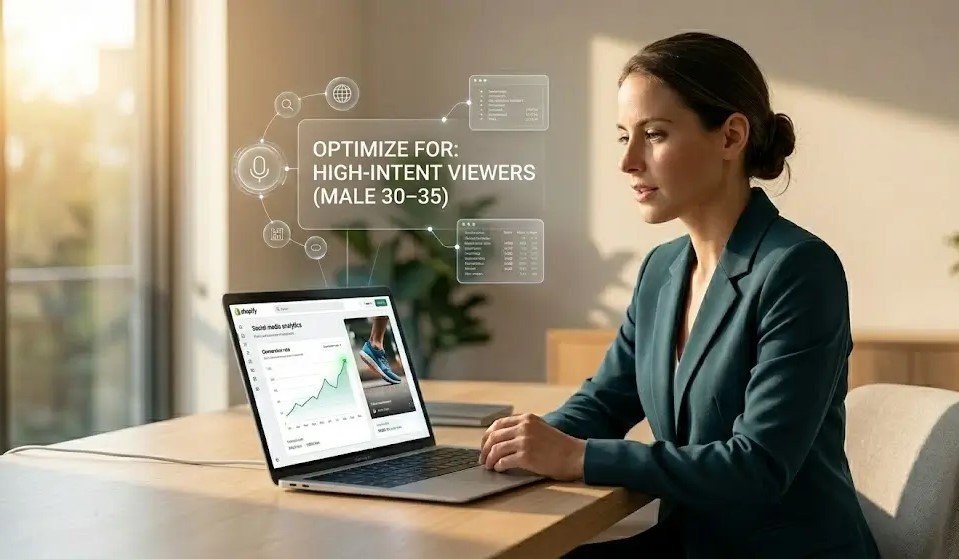
Technical SEO and Schema Markup
Content might be king, but Technical SEO is the castle it lives in. If search engine crawlers cannot instantly parse the context of your page, you will not rank.
Advanced Schema Markup (JSON-LD) is now mandatory. You must explicitly tag your products, reviews, FAQs, and organizational details in the code of your site. This structured data is exactly what AI models read to generate their summary snapshots. If your current CMS doesn’t support dynamic schema generation, a technical overhaul via professional website development services is critical.
Creating Information Gain
Google’s algorithm now heavily rewards Information Gain. This refers to the unique value a piece of content adds to the internet. If you search for “Best Running Shoes” and simply rewrite the top 5 articles, your information gain score is zero.
To rank, you must include proprietary data, original graphics, expert quotes, or a highly contrarian viewpoint. Your content must answer the user’s core question faster and more comprehensively than anyone else.
Strategy #2: The Transformation of Paid Media and Omnichannel Precision
If you are still running isolated Google Ads and separate Meta Ads with static budgets, you are bleeding money. One of the most critical digital marketing trends of 2026 is the complete surrender of manual bidding to AI and the subsequent pivot toward Creative and Data-Feeding.
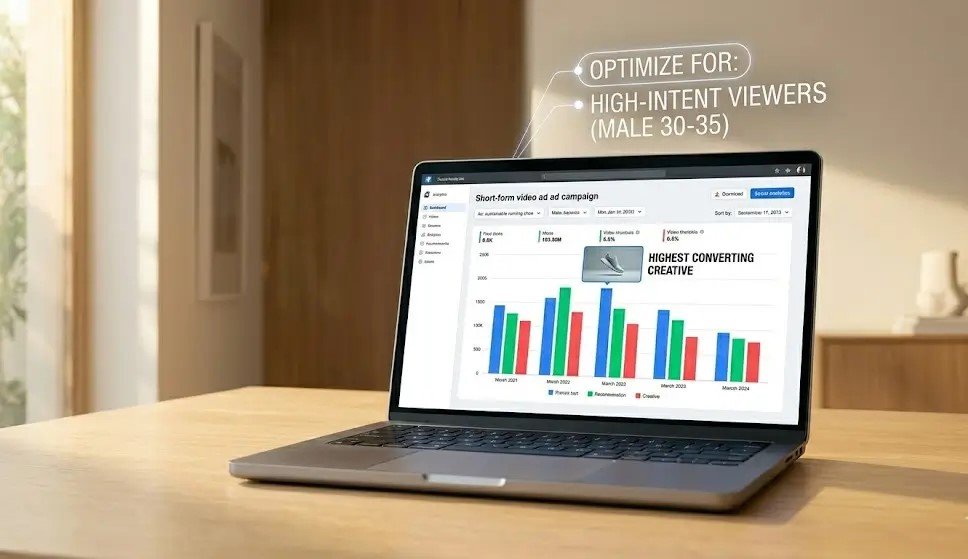
Algorithms like Google’s Performance Max and Meta’s Advantage+ are now incredibly efficient at finding buyers, but they are only as good as the data you feed them.
Server-Side Tracking is Non-Negotiable
Because browser-based pixels are losing their effectiveness due to ad blockers and privacy updates, you must implement Server-Side Tracking (CAPI). This means your website communicates purchase data directly from your server to the advertising platform’s server. This guarantees accurate attribution and feeds the AI the high-quality conversion data it needs to optimize your ROAS (Return on Ad Spend).
The Creative as Targeting Methodology
In the past, you built an audience in Facebook Business Manager and showed them an ad. Today, the algorithm is so broad that your ad creative is the targeting. If you want to reach 30-something male runners, you don’t select that demographic in a dropdown; you create a video that speaks exclusively to the pain points of 30-something male runners. The algorithm will test the creative, see who watches it, and auto-optimize the targeting.
To succeed, brands need a massive volume of high-quality, varied creatives. This is why partnering with experts for comprehensive Paid Ads Services is no longer just about media buying; it’s about having a team that can continuously produce and test data-driven visuals and copy.
Strategy #3: Social Commerce and the Entertainment-First Funnel
Social media has evolved from a top-of-funnel brand awareness tool into a highly effective, direct-response sales channel. We are officially in the era of Social Commerce.
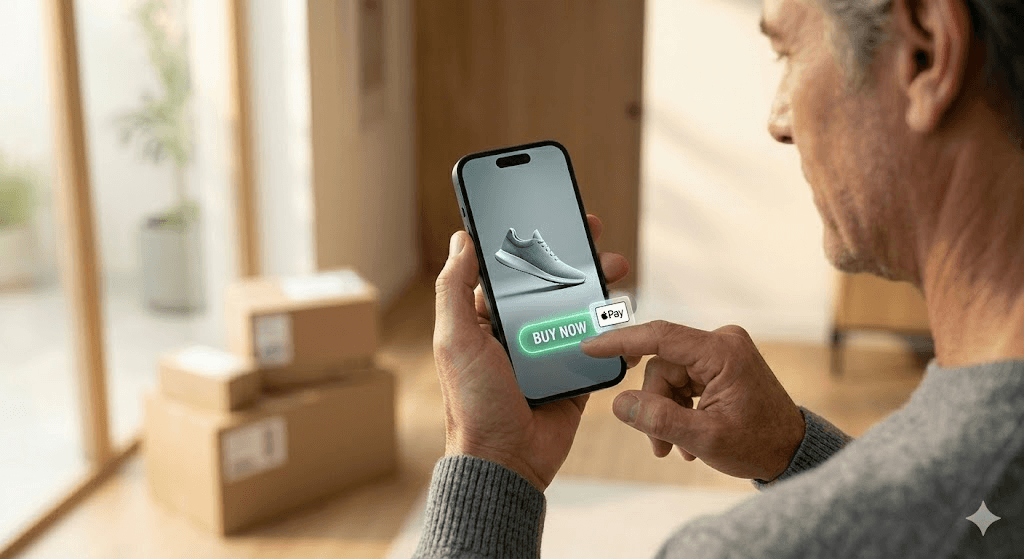
Users no longer want to click a link in a bio, wait for a mobile browser to load, navigate a menu, and input credit card details. The friction is too high.
Native In-App Purchasing
Platforms like TikTok, Instagram, and YouTube now offer seamless, one-click native checkouts. Your social media strategy must involve integrating your product catalog directly into these platforms.
-
Short-Form Video (Reels/Shorts/TikToks): Static images are dead on social feeds. Video is the only format that holds attention. However, these videos cannot look like traditional commercials. They must be organic, entertaining, or highly educational (UGC – User Generated Content).
-
Interactive Live Streaming: Live shopping events create urgency and allow for real-time customer service, bridging the gap between digital convenience and physical retail experiences.
Expert Tip: Stop treating social media as a billboard. Treat it as a two-way communication channel. The brands winning in 2026 reply to comments with video responses, host weekly live Q&As, and actively build a community. Community is the ultimate moat against rising ad costs.
Strategy #4: The Technical Infrastructure
You can execute flawless SEO, run highly optimized AI ad campaigns, and create viral social commerce videos, but if the user lands on a slow, confusing website, your conversion rate will flatline.
In 2026, User Experience (UX) and Site Speed are foundational marketing metrics. Google’s Core Web Vitals strictly penalize sites with layout shifts or slow server response times.
Headless Commerce and Specialized Development

For e-commerce brands, relying on bloated, out-of-the-box templates is a massive liability. High-growth brands are moving toward “Headless” architectures separating the front-end design from the back-end database to achieve sub-second load times.
If you are running a product-based business, investing in custom Shopify development services allows you to strip away unnecessary third-party apps and hardcode the features you need. This results in a lightning-fast, highly secure environment that converts the traffic your marketing generates.
Even for B2B or service-based companies, comprehensive website development services are required to integrate advanced CRM tracking, interactive data-capture widgets, and dynamic personalization based on the user’s referral source.
Strategy #5: Trust, Authority and the E-E-A-T Framework
In an era where AI can generate millions of pages of content instantly, Google and consumers have pivoted toward one primary metric: Trust.
To rank for the most competitive terms in 2026, your site must demonstrate E-E-A-T (Experience, Expertise, Authoritativeness, and Trustworthiness). This isn’t just a marketing vibe, it is a technical requirement for your digital marketing strategy.
-
Author Entities: Every blog post should be attributed to a real person with a verifiable digital footprint. Bios should link to LinkedIn profiles and other authoritative publications.
-
First-Hand Case Studies: Replace generic advice with original data. Use charts, screenshots of your results and client testimonials to prove that your strategies work in the real world.
-
Radical Transparency: Clear privacy policies, visible contact information, and honest disclosure about how you use AI are now significant ranking signals.
Strategy #6: Hyper-Personalization and the Subscription Economy
The most successful top trends in digital marketing for 2026 focus on maximizing Customer Lifetime Value (CLV). It is much cheaper to keep an existing customer than to acquire a new one.
-
Predictive Re-engagement: Use your first-party data to predict when a customer will need your service again. If you offer SEO, send a personalized technical audit report exactly 6 months after their last major update.
-
Segmented Email Flows: Stop sending one-size-fits-all newsletters. Use behavioral triggers,if a user spent 5 minutes on your Shopify development services page, their next three emails should be specific to e-commerce scaling, not general marketing tips.
Expert Tip: In 2026, the Subscription model has moved beyond products. Service-based agencies are now offering Marketing-as-a-Service (MaaS) retainers that provide flexible, on-demand access to specialized talent. This creates predictable revenue for the agency and lower overhead for the client.

Conclusion: Mastering the 2026 Digital Ecosystem
The digital marketing landscape is no longer a collection of silos; it is a living, breathing ecosystem where SEO, Paid Media, Web Development, and Data Privacy are inextricably linked.
To stay ahead of the top trends in digital marketing, you must move beyond tactical growth hacks and embrace a high-level technical strategy. Your brand needs to be fast, it needs to be authoritative, and above all, it needs to provide genuine value that AI cannot replicate.
At thedigitalmarketing.services, we don’t just follow trends,we build the infrastructure that allows brands to lead them. Whether you are looking to dominate the new AI-driven search results with strong SEO services or need a custom-built digital storefront via our website development services, our team is here to help you scale.
The future of digital commerce is human-centric and tech-powered. Is your brand ready?
Frequently Asked Questions
What is the single most important digital marketing trend in 2026?
The most critical trend is AI-Integrated Personalization. Brands that can use AI to analyze first-party data and deliver a unique, frictionless experience to every single user will dominate their niche.
How do I optimize my website for AI search engines?
Focus on Technical Schema Markup and Topical Authority. Ensure your site’s code is readable for AI crawlers and create deeply researched, original content that answers specific, natural-language questions better than anyone else.
Is social media marketing still effective for B2B companies?
Yes, but the strategy has shifted. B2B success in 2026 is driven by Employee Advocacy and Short-Form Video Thought Leadership. Decision-makers are looking for human faces and expert insights on platforms like LinkedIn and YouTube, rather than sterile corporate ad posts.
Why is my conversion rate low despite high traffic?
This usually indicates a disconnect between your marketing and your technical infrastructure. If your website is slow or has a poor mobile UX, you will lose users at the final stage. Investing in professional website development to optimize your checkout or lead generation path is often the solution.
