
How page load times affect conversions: a deep dive
How Page Load Times Affect Conversions: A Deep dive
In the world of digital marketing, every second counts. Whether you’re a business owner, an entrepreneur, or someone looking to boost your brand’s presence, understanding the nuances of how page load times affect your website’s performance is crucial. Page load time is more than just a technical term. In this blog post,thedigitalmarketing.services we will take a deep dive into how page load times can make or break your conversions and what you can do to optimize them for better results.

What is Page Load Time, and Why Does it Matter?
Page load time refers to the amount of time it takes for a web page to fully load and become interactive for the user. This includes how page load times affect conversions a deep dive . Studies have shown that users expect web pages to load within 2 seconds, and a delay of even a few milliseconds can result in significant drops in engagement.
You must recognize that the speed at which your website loads can directly impact key performance metrics, especially conversions. Slow loading pages can create a frustrating experience for users, leading them to abandon your site before even interacting with your content. This is where digital marketing platforms like thedigitalmarketing.services come in, offering expert solutions to optimize your site speed for better results.
The Direct Impact of Page Load Times on Conversion Rates
1. First Impressions Matter
Studies show that users tend to form opinions about a website within a few seconds of landing on it. In fact, 47% of users expect a webpage to load in two seconds or less, and 40% will abandon a website that takes more than three seconds to load. Slow load times can cause users to leave before they even get a chance to see what your site has to offer.
When your site takes too long to load, it gives the impression that your business is unprofessional or untrustworthy. In a competitive digital marketplace, first impressions are critical, and a slow website can immediately turn potential customers away.
2. Higher Bounce Rates
The relationship between slow page load times and bounce rates is undeniable. A bounce occurs when a user visits your site but leaves without interacting further. For example, they might land on your homepage and quickly leave without exploring other pages or completing a transaction.
As page load time increases, your bounce rate is likely to rise as well. Google reports that nitropack.io bounce rates increase by 32% as page load time goes from 1 second to 3 seconds. This means that if your page takes too long to load, you’re losing potential customers who might otherwise convert if they had a smoother browsing experience.
3. Impact on Mobile Conversions
The importance of fast page load times is especially significant for mobile users. With the increasing use of smartphones for browsing and shopping, businesses can no longer afford to overlook mobile optimization. In fact, 53% of mobile users abandon websites that take longer than three seconds to load. This presents a significant risk to businesses that rely on mobile traffic, especially in markets like the US, Japan, and Canada, where mobile commerce is booming.
4. SEO and Search Engine Rankings
Page load times have a direct impact on your website’s SEO performance. Google’s search algorithm considers page speed as one of its ranking factors how page load times affect conversions a deep dive.
A slow website not only leads to higher bounce rates but also hinders your ability to compete in search engine rankings. As page load time increases, organic traffic decreases.
5. User Experience and Customer Retention
Beyond initial impressions, a slow website can harm the overall user experience (UX), making visitors less likely to return. Customers who experience frustration with your website’s performance are unlikely to return, even if they intended to make a purchase or learn more about your services. Retaining customers and encouraging repeat business is a critical component of any digital marketing strategy.
How to Improve Page Load Times and Boost Conversions
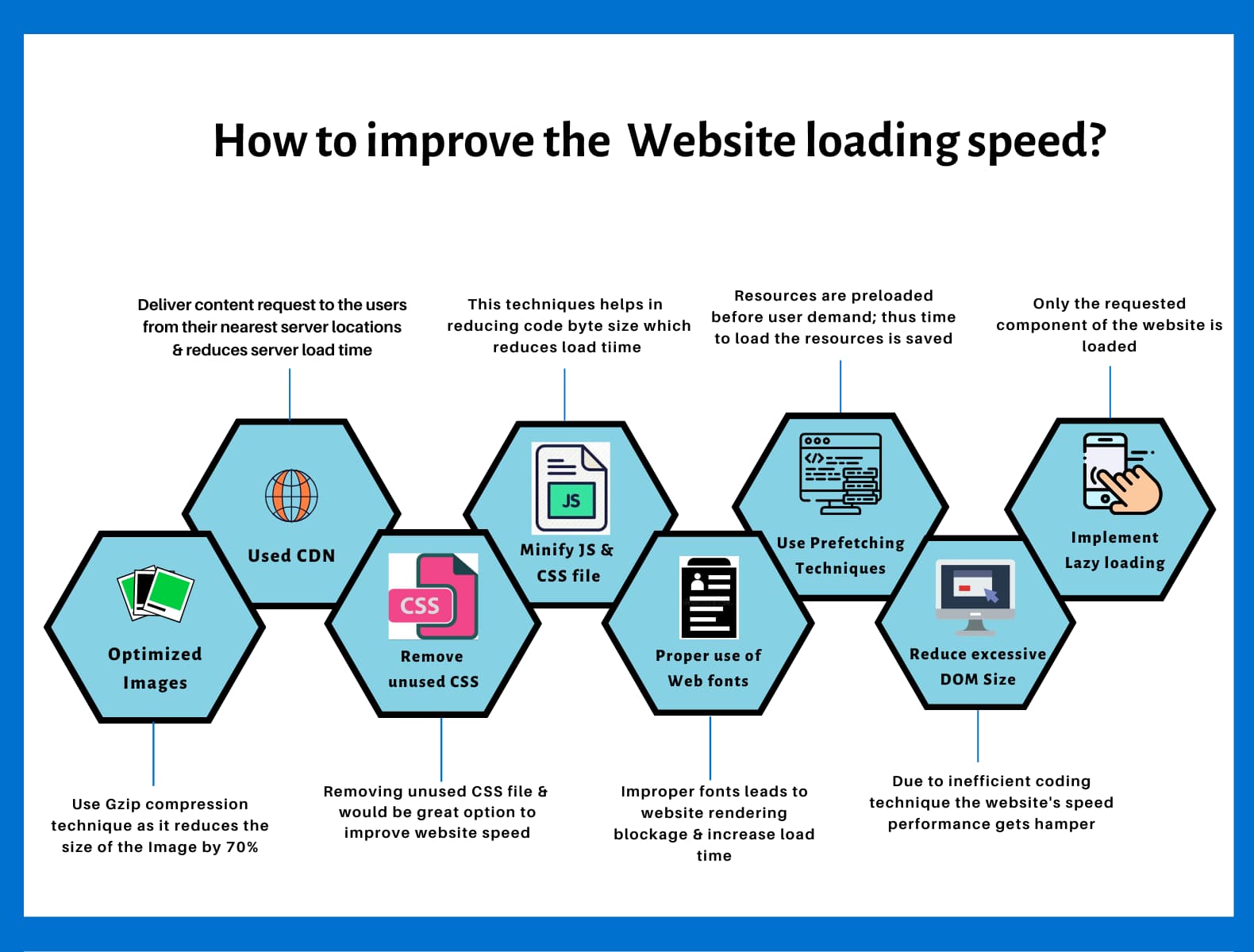
1. Optimize Images and Media Files
One of the main reasons for slow page load times is unoptimized media. Large images, videos, and other media files can significantly delay page loading. By compressing images and using modern file formats like WebP for images or MP4 for videos wasservicegroningen.nl you can reduce load times without sacrificing quality.
2. Leverage Content Delivery Networks (CDNs)
A Content Delivery Network (CDN) is a network of servers distributed across different geographical locations that store cached versions of your website. By using a CDN, you can ensure that your website’s content loads faster for users regardless of their location. CDNs help reduce latency and improve the overall speed of your site, especially for international users.
3. Minimize HTTP Requests
Every time a user loads a page, their browser makes HTTP requests to fetch various elements like images, stylesheets, and scripts. Reducing the number of these requests can dramatically improve page load times. You can minimize HTTP requests by combining CSS files, JavaScript files, and using image sprites.
4. Enable Caching
Browser caching allows your website to store certain elements of your page in the user’s browser, so they don’t need to reload them each time they visit your site. By enabling caching, you reduce the load on your server and improve the user experience for returning visitors.
5. Use Faster Web Hosting
The speed of your hosting server directly affects your page load time. Ensure you are using a reliable and fast hosting provider that offers optimized server configurations, especially for high-traffic websites. Opt for dedicated hosting or cloud services that can handle spikes in traffic without compromising speed.
6. Implement Lazy Loading
Lazy loading is a technique where images and other media are only loaded when they enter the viewport (the visible area of the webpage). This can greatly improve page load times, as unnecessary content is not loaded until it’s needed.
Tools to Measure and Improve Page Load Times
There are several tools available that can help you assess and improve your website’s load times:
-
Google PageSpeed Insights: A free tool that provides detailed reports on page load times and offers suggestions for improvement.
-
GTmetrix: Analyzes the performance of your website and provides insights on how to optimize load time.
-
Pingdom: A performance monitoring tool that tracks the speed of your website and provides actionable recommendations for improvement.
International Collaboration and Trends
As digital marketing services become increasingly global businesses in countries are investing more. Collaborating with global experts can bring in the latest tools and techniques to ensure your website is optimized for all users, regardless of location.
Digital marketing platforms such as thedigitalmarketing.services offer tailored solutions for businesses around the world. It helps them improve their site performance and, consequently, their conversions. Through international partnerships and cutting-edge technology, you can stay ahead of competators.It will improve your website.
Conclusion: Speed Up Your Website, Boost Your Conversions
The importance of page load time cannot be overstated. Whether you’re running an e-commerce store, the speed at which your website loads can significantly impact your conversion rates. Slow page load times lead to higher bounce rates, reduced user engagement, and ultimately lost revenue.
By optimizing your site for speed, you not only enhance the user experience but also improve your SEO rankings and customer retention. Take advantage of tools and strategies to make your website faster and more efficient.You will stay competative in digital marketing.
At thedigitalmarketing.services, we specialize in optimizing websites for speed, performance, and conversions. Let us help you take your business to the next level. Contact us today to learn more about how we can assist you in improving your website’s speed and boosting your conversions.

Aute mi ut suspendisse velit leo, vel risus ac. Amet dui dignissim fermentum malesuada auctor volutpat, vestibulum ipsum nulla.
Sed reprehenderit quam, non felis, erat cum a, gravida lorem a. Ultricies in pellentesque ipsum arcu ipsum ridiculus velit magna, ut a elit est. Ultricies metus arcu sed massa. Massa suspendisse lorem turpis ac.
Massa suspendisse lorem turpis ac. Pellentesque volutpat faucibus pellentesque velit in, leo odio molestie, magnis vitae condimentum.