What is SEO and PPC Marketing?
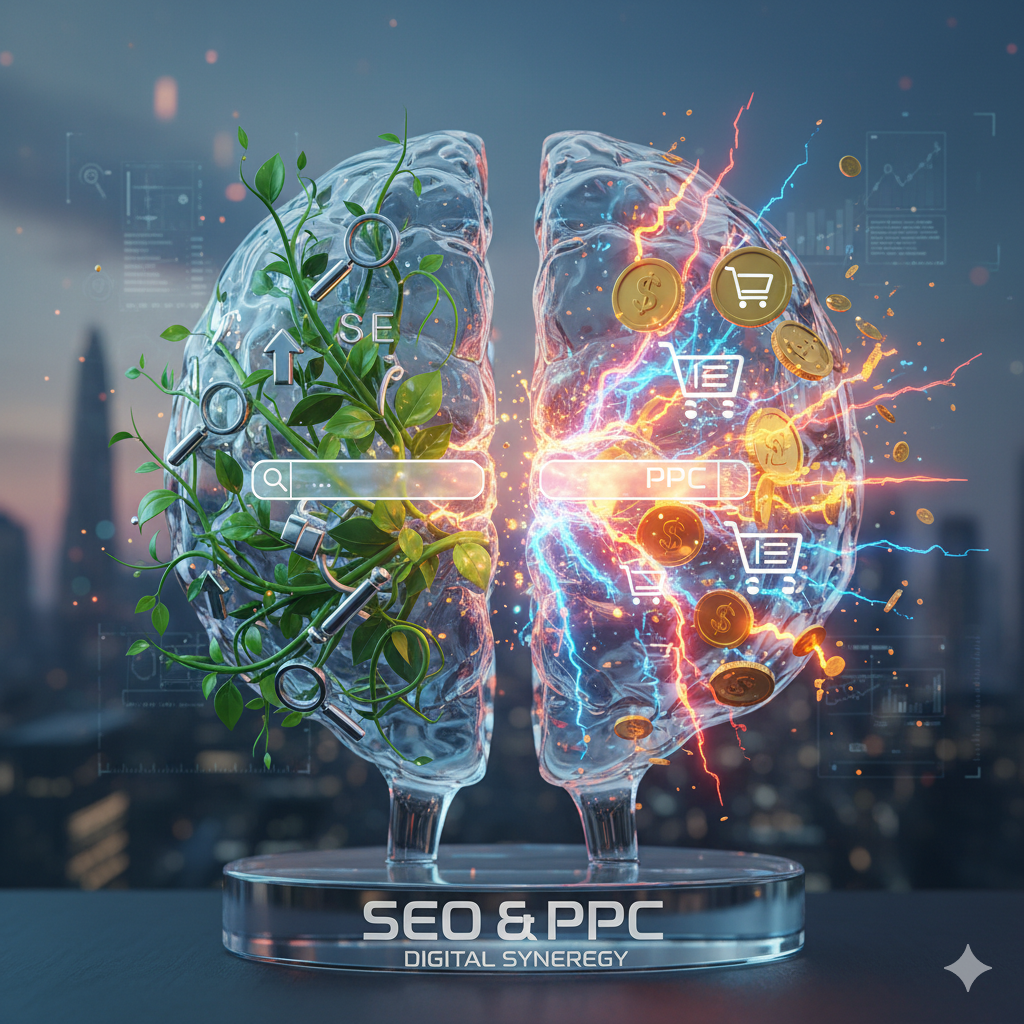
What is SEO and PPC Marketing?
In the ever-evolving world of digital marketing, two terms often rise to the top when business owners and brand startups look to improve their online visibility and drive results then they went for search What is SEO and PPC Marketing unlocking strategies for business growth. These strategies are essential for businesses looking to maximize their online presence and revenue.
But what exactly are SEO and PPC, and how can they be leveraged to create a powerful online marketing strategy? Let’s dive into the basics of SEO and PPC, their unique benefits, and how businesses can use them to grow.

What is SEO and PPC Marketing? Key Concepts Explained
SEO, or Search Engine Optimization, is the process of optimizing a website to rank higher on search engine results pages (SERPs). SEO increases visibility, user experience, and relevance to search engines like Google, Bing, or Yahoo. The goal is to attract organic (unpaid) traffic to your website.
Key Elements of SEO:
-
On-Page SEO: This focuses on optimizing content and structure. Key areas include keyword research, high-quality content, and optimizing images.
-
Off-Page SEO: This involves building reputation through backlinks, social media signals, and online mentions.
-
Technical SEO: Ensuring a site is easy to crawl for search engines. This includes site speed, security, and mobile optimization.
Why SEO Matters:
-
Long-Term Traffic: Organic search traffic is sustainable. Once ranked high, it provides consistent traffic without ongoing costs.
-
Brand Credibility and Trust: Websites that rank high are often seen as more trustworthy, boosting your brand’s reputation.
-
Cost-Effective: The main cost is time and effort. SEO often provides a high return on investment.
PPC Marketing: How It Drives Instant Traffic and Revenue
Pay-Per-Click marketing is a paid add advertising model where businesses pay each time their ad is clicked. It’s commonly associated with search engine ads but also works across social media platforms, display networks, and even YouTube.
Key Elements of PPC:
-
Search Ads: These ads appear on search engines when someone types in a related query.
-
Display Ads: Banner or pop-up ads placed on websites that are part of ad networks like Google’s Display Network.
-
Social Media Ads: PPC ads on platforms like Facebook, Instagram, and LinkedIn, where you can target specific demographics.
Why PPC Matters:
-
Immediate Traffic: PPC gives instant visibility and traffic. Results come quickly after launching a campaign.
-
Targeted Advertising: You can target users based on location, behavior, and interests, increasing the likelihood of reaching your ideal audience.
-
Measurable Results: PPC campaigns provide clear data on ad performance, helping to optimize them for better results.
How to Combine SEO and PPC Marketing for Maximum Business Growth
Both SEO and PPC have unique advantages and can be powerful when used effectively. Here’s a breakdown of when each strategy works best.
When to Choose SEO:
-
Long-Term Growth: If you want sustainable traffic, SEO is ideal. It takes time, but the results last.
-
Content Marketing: For businesses that create blog posts or educational content, SEO ensures your content reaches more people.
-
Brand Building: SEO helps establish authority in your industry, leading to greater trust and credibility.
When to Choose PPC:
-
Immediate Results: PPC is perfect for businesses needing quick traffic, whether for promotions or lead generation.
-
Competitive Industries: In tough markets, PPC can help your business appear at the top of search results right away, supported by industry-backed PPC performance benchmarks that show how paid ads accelerate visibility.
-
Local and Niche Targeting: PPC allows you to precisely target specific geographic areas or niches.
Combining SEO and PPC for Maximum Impact
While SEO and PPC each have their strengths, combining both can create a comprehensive digital marketing strategy. Here’s how:
Synergies Between SEO and PPC:
-
Keyword Research: Insights from PPC can inform your SEO strategy and vice versa. High-performing keywords can be used in both.
-
Brand Visibility: Running both SEO and PPC at the same time gives your brand double exposure, making it more likely users will click on your link.
-
Data-Driven Decisions: PPC data can help inform your SEO content strategy. If a PPC ad performs well, consider creating content around it for SEO.
Tools and Platforms to Optimize SEO and PPC Campaigns
Businesses need to use various tools to run successful campaigns. Popular tools include:
-
Google Analytics: Tracks website traffic and user behavior, using insights from industry leading web analytics tools to understand how visitors interact with your site.
-
Google Ads: Manages PPC campaigns across search engines and display networks.
-
SEMrush and Ahrefs: For keyword research and competitor insights.
-
Moz: Helps with on-page SEO and keyword research.
-
Facebook Ads Manager: Creates and manages social media ads.
International Collaboration Trends in Digital Marketing
As businesses grow internationally, the need for a platform that understands global trends becomes crucial. tdm.services helps businesses of all sizes scale their marketing strategies and compete globally.
Conclusion: Why Invest in SEO and PPC Marketing?
Whether you’re a small business or a global brand you must learn how SEO and PPC Marketing Unlocking Strategies for Business Growth. SEO provides long-term traffic and trust, while PPC delivers quick results and precision-targeted traffic.
If you want to boost your brand and drive more traffic to your site, thedigitalmarketing.services offers expert strategies in both SEO and PPC. Contact us today and start your journey to success.
